
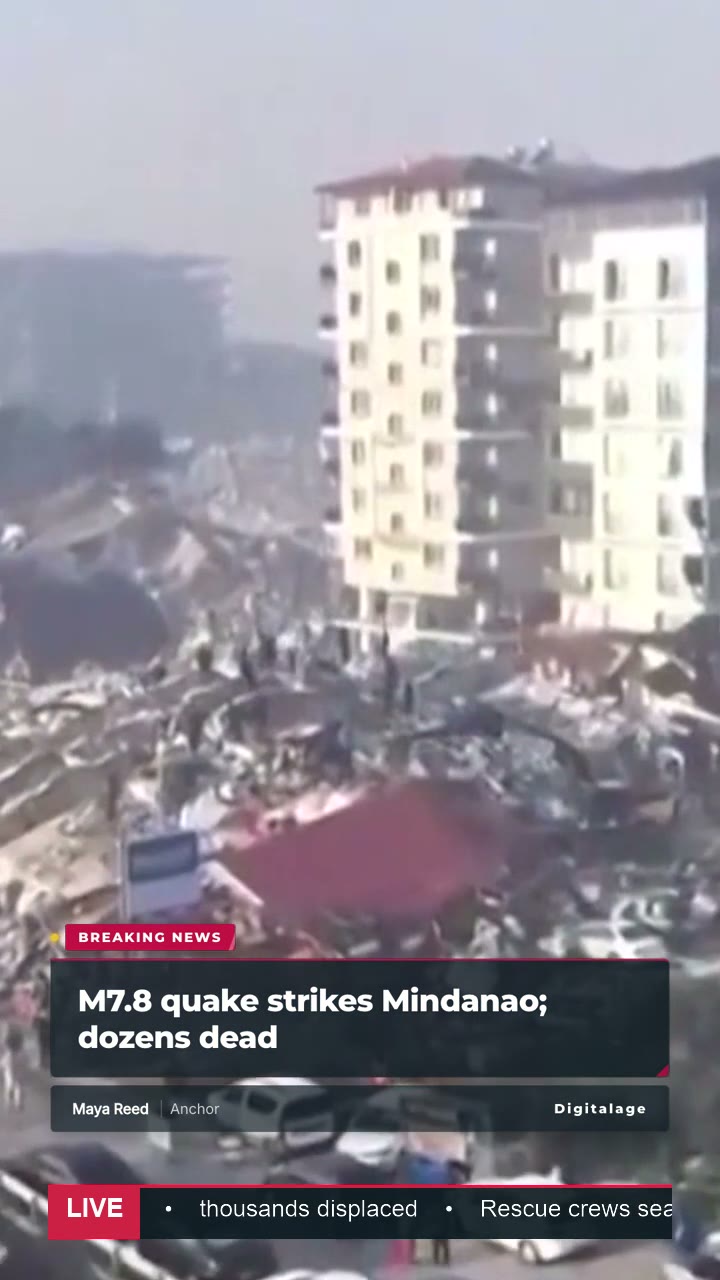
During a fast-moving event, the same dramatic clip can circulate from a dozen accounts, each stripped of its origin. The footage might be real, old, mislabeled, or staged. In a feed, all of it looks the same. What separates coverage from noise is not the image. It is the ability to say where the image came from.
Verified live coverage starts with provenance. In the Digitalage model, live media is designed to be verified at the point of capture, so the question of origin is answered when the footage is created rather than reconstructed later from guesswork.
That record is meant to follow the clip. When a piece of live media becomes part of the searchable archive, the goal is for its origin, timing, and chain of handling to remain attached, so a reader or an editor can check it instead of taking it on faith.
For a global audience, the practical payoff is trust under pressure. The moments that matter most are usually the ones moving fastest and copied most. Provenance is what lets verified coverage stand apart from everything else competing for the same attention.
This AI-assisted report was produced by the Digitalage AI News Pipeline and applies the pipeline's approach to verifying live media using source material.